

Sensing Place
Begin with a slow walk that teaches names of winds, cloud signals, and understory textures. We notice how moss keeps moisture, how gulls announce shifting currents, and how granite warms palms. This embodied inventory roots craft decisions, foraging choices, and daily pacing in real, observable conditions rather than hurried assumptions, encouraging thoughtful experiments that respond to shape, light, and time rather than abstract plans detached from landscape truth.

Setting Intentions
Participants write small intention cards, pairing personal goals with collective care. Some seek renewed patience with tools; others hope to reclaim confidence outdoors. Facilitators invite achievable experiments, not perfection, and schedule rest beside effort. These choices build momentum gently, proving progress can feel humane, curious, and delightfully sustainable across shifting terrain. Clear intentions make feedback kinder, successes sweeter, and challenges surprisingly instructive, guiding practice without harshness or rush.
Safety and Stewardship Briefing
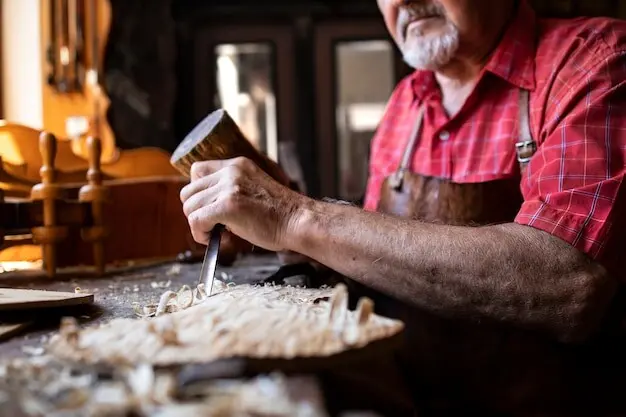
We cover knife handling, buddy systems, radios, and plant look-alikes, then review tide tables, hypothermia signs, and fire protocols. Local guidelines, permissions, and seasonal closures are explained plainly. By aligning adventure with responsibility, the retreat protects ecosystems, supports neighbors, and ensures everyone returns home with skills, stories, and intact, joyful energy. Attention becomes a practice of care, where every decision honors land, water, community, and the long view.