Crafting Tomorrow in the Alpine-Adriatic
Join us as we explore sustainable materials and circular design practices in Alpine-Adriatic artisan studios, where mountain forests, coastal clays, and resilient communities shape objects built for longevity, repair, and return. Expect practical methods, heartfelt stories, and actionable steps to participate, support, and learn alongside makers reimagining value from resource to relationship.

Mountains, Coastlines, and the Material Commons
Alpine Fibers and Plant Dyes

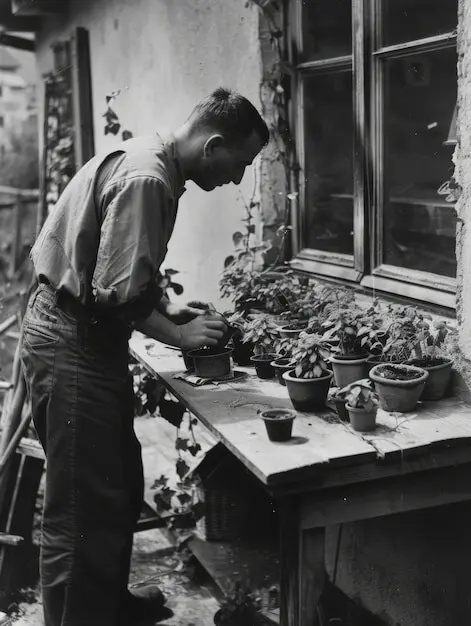
Shepherds’ wool, flax from valley fields, and nettle fiber gathered with permission become textiles with a visible fingerprint of altitude and season. Dyes arrive from walnut husks, onion skins, larch bark, and garden marigold, shifting subtly like weather along mountain passes. Small-batch scouring and gentle mordants preserve handfeel, while repairable weaves invite decades of attentive use.

Regenerative Woods and Respectful Forestry

Shepherds’ wool, flax from valley fields, and nettle fiber gathered with permission become textiles with a visible fingerprint of altitude and season. Dyes arrive from walnut husks, onion skins, larch bark, and garden marigold, shifting subtly like weather along mountain passes. Small-batch scouring and gentle mordants preserve handfeel, while repairable weaves invite decades of attentive use.

Coastal Clays, Salts, and Sea-Grasses

Shepherds’ wool, flax from valley fields, and nettle fiber gathered with permission become textiles with a visible fingerprint of altitude and season. Dyes arrive from walnut husks, onion skins, larch bark, and garden marigold, shifting subtly like weather along mountain passes. Small-batch scouring and gentle mordants preserve handfeel, while repairable weaves invite decades of attentive use.

Designing for Repair, Reuse, and Return

Circularity starts at the sketchbook. Joints are conceived for access, fasteners are standardized, and finishes can be refreshed without stripping away history. Makers plan lifecycles that include home maintenance, studio repair, and eventual material recovery, ensuring objects continue serving needs while retaining emotional value, shared stories, and the embodied memory of careful hands.

Reversible Joinery and Natural Finishes

Pinned mortises, tapered pegs, and wedged tenons allow sturdy furniture to open again without damage, welcoming future parts and interventions. Soaps, hardwax oils, and dewaxed shellac protect surfaces while remaining repair-friendly, avoiding brittle coatings. When dents appear, owners steam, sand, and reseal, discovering that maintenance is not a burden but a gentle ritual of belonging.

Take-Back, Remanufacture, and Local Refurbish Loops

Studios publish clear return pathways: seasonal collection days, depot partnerships, and prepaid labels that bring pieces home for a second reading. Components are cataloged, salvaged, or re-machined, then reintroduced as refreshed editions carrying a traceable lineage. Customers benefit from loyalty credits, while materials keep working regionally, circulating value among neighbors rather than drifting into anonymous waste streams.

Biobased, Recycled, and Beautifully Honest

Material choices carry ethics, performance, and aesthetics in one breath. Regional biobased and recycled ingredients reduce extraction pressures while creating familiar, comforting tactility. Artisans prototype with curiosity, validate durability through iteration, and communicate limitations candidly, allowing users to meet each piece halfway with mindful care, periodic restoration, and a shared commitment to a slower, wiser economy.

Mycelium Composites, Lime-Hemp, and Casein Binders
Fungal mycelium grows into lightweight forms around agricultural residues, becoming packaging inserts and acoustic tiles that compost cleanly after long service. Lime-hemp panels regulate humidity in studios and stores, softening energy peaks. Casein-based binders, reborn from dairy side-streams, join veneers and fabrics without harsh solvents, proving that performance can harmonize with breathability, safety, and graceful aging.

Recycled Metals, Glass, and Ceramic Regrind
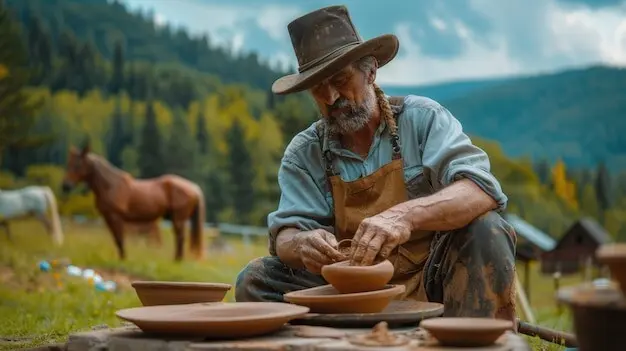
Scrap aluminum and brass receive a regional passport, remelted in small foundries with renewably powered crucibles, then sand-cast into hardware designed for unscrewing. Bottle cullet colors glassware with familiar hues while lowering firing temperatures. Ceramic regrind reenters clay bodies as grog, improving thermal shock resistance and offering tactile speckles that speak honestly about circular provenance.

Adhesives, Pigments, and Finishes Aligned with Nature
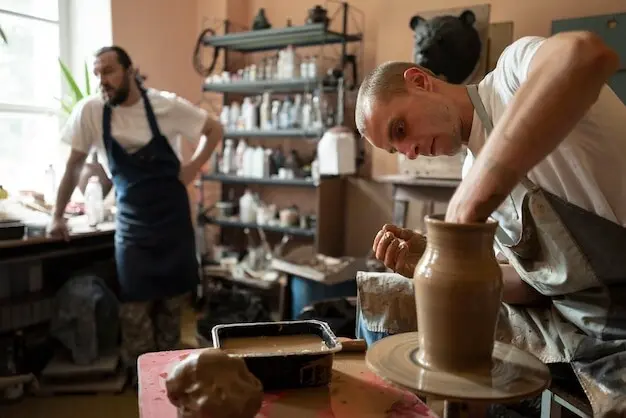
Hide glue, wheat paste, and waterborne systems return reversibility and indoor air quality to workshops and homes. Earth pigments, iron oxides, and plant-based lakes create palettes that weather elegantly rather than peel. Finishes emphasize renewability over impermeability, trusting routine touch-ups and sunlight-resilient oils to accompany daily life, allowing patina to record years without toxic residues.

Energy, Water, and Pace: Production with Regard
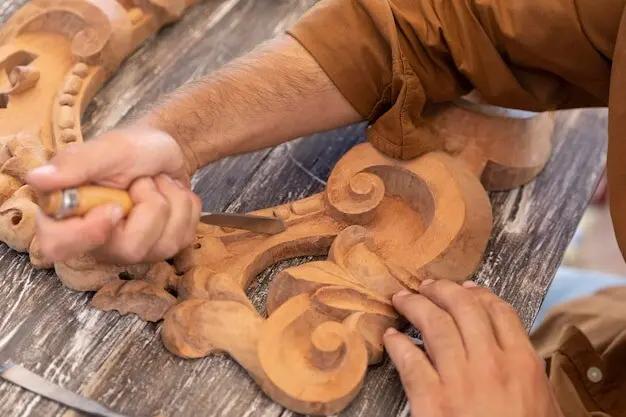
Resource respect includes how heat, light, and water are courted. Studios balance tradition with technology, pairing daylight benches and hand tools with efficient motors and sensors. Slow cycles deliver quality: air-drying timber, moderated kiln climbs, and careful cooldowns. Closed loops capture rinse water and heat, translating attentiveness into lower footprints and quieter, healthier making environments.

Communities that Make Circularity Possible

No studio is an island. From Carinthian valleys to Gorenjska passes and Friulian towns, makers share vans, kilns, glazes, and stories. Cooperative calendars align firings and material orders, while mentorship braids generations. These networks translate principles into practice, turning individual conviction into collective infrastructure that outlives trends, strengthens livelihoods, and welcomes neighbors as active custodians.

Tool Libraries and Shared Workshops Across Valleys

Community lathes, planers, looms, and vacuum presses rotate on simple booking systems, replacing underused private purchases with well-loved commons. Insurance pools and care crews keep everything sharp and safe. Newcomers test ideas without debt, while experts spend more time teaching than troubleshooting lone machines, building camaraderie and resilience that neither supply shocks nor storms can easily shake.

Apprenticeships, Elders, and the Return of Making

A weaver in Koroška hosts Saturday warping circles; a South Tyrolean woodworker opens a bench for teens after school. Elders share offhand tricks—like reading moisture content by wrist—beside formal lessons. Apprentices document processes, translating tacit knowledge into living manuals. Culture travels through hands and stories, ensuring practices improve while staying rooted in kindness and place.

Cooperative Logistics and Bike Couriers

Shared delivery routes bundle orders, consolidating shipments onto trains and e-vans. In compact towns, bike couriers handle last meters with weatherproof boxes and careful handling. Packaging returns on the next run, scanned with QR codes to record cycles. This choreography lowers costs and emissions, builds local jobs, and turns delivery day into a cheerful neighborhood ritual.

Proof, Story, and Trust

Traceability dignifies both material and maker. Clear documentation—impact snapshots, sourcing maps, and care pathways—invites customers into partnership rather than passive consumption. Stories deepen accountability, but numbers matter too. By blending narrative and evidence, studios welcome scrutiny, celebrate learning, and offer confidence that money and attention are nurturing healthy landscapes, fair work, and well-loved, enduring belongings.

Product Passports and Open Impact Ledgers

Each object carries a scannable passport listing fibers, finishes, and repair instructions. Ledgers summarize energy, water, and transport data in plain language, updated as items travel back for service. This radical transparency feels human, not corporate—messy where needed, improving visibly—so trust grows from honesty, iteration, and standing invitations to verify, question, and contribute insights.

Place-Based Narratives that Invite Care

Hangtags mention the hillside where flax leaned into wind, the stream that cooled the dye baths, and the person who set the last peg. Such details are not decoration; they are invitations to steward. When buyers understand context, they store thoughtfully, repair promptly, and pass along stories, extending value beyond objects into relationships worth tending carefully.
Participation: Caring, Mending, and Staying in the Loop

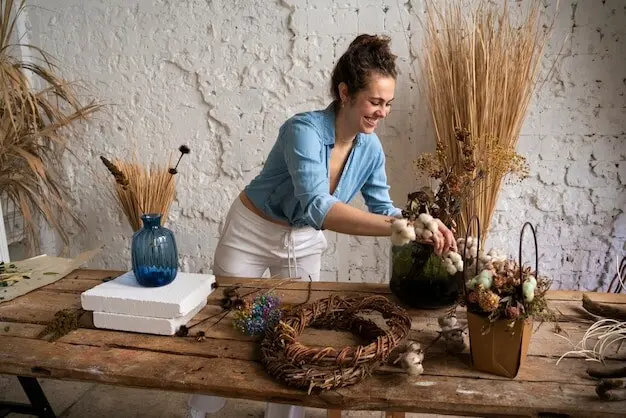
Your role completes the circle. Learn simple care rituals, book seasonal tune-ups, and return packaging for reuse. Join our letters from the workshop to receive event invites, repair reminders, and behind-the-scenes experiments. Reply with questions, ideas, or local leads, and help map a resilient, neighborly economy that values continuity over constant replacement.
Fexomexodarilaxizavozuno
Privacy Overview

This website uses cookies so that we can provide you with the best user experience possible. Cookie information is stored in your browser and performs functions such as recognising you when you return to our website and helping our team to understand which sections of the website you find most interesting and useful.